
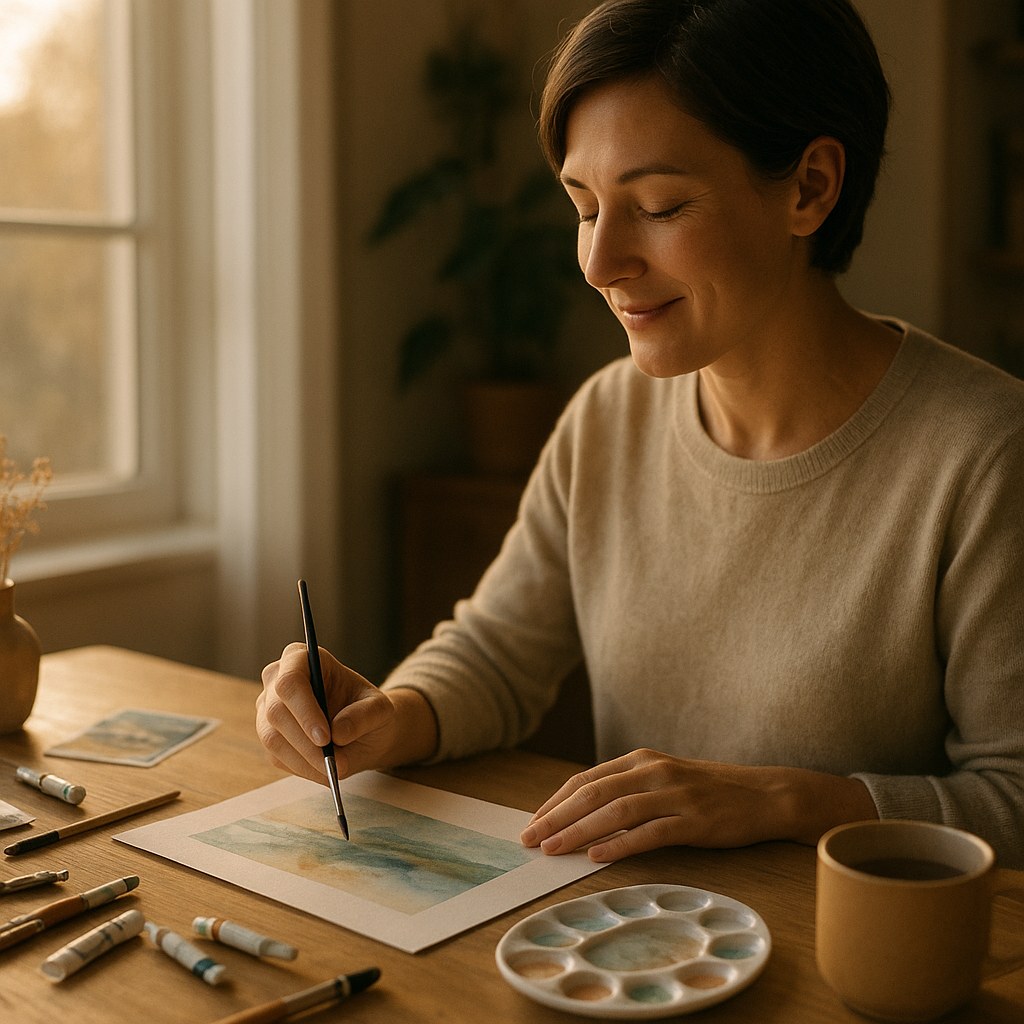
Life moves fast. Between work deadlines, family responsibilities, and the endless scroll of notifications, it can feel like there’s barely a moment to breathe. Most people know they need to manage stress better, but finding something that actually works — something that doesn’t feel like another item on the to-do list — is harder than it sounds. That’s where creative hobbies come in.
Whether it’s painting, knitting, writing, baking, or playing an instrument, creative pursuits have a remarkable ability to quiet the noise in your head and bring you back to the present moment. And it’s not just anecdotal — there’s a growing body of research to back it up. In this article, we’ll explore why creative hobbies are so effective at relieving stress, what the science actually says, and how you might go about finding the right one for you.
The Science Behind Hobbies and Stress Relief
It might be tempting to think of hobbies as a frivolous indulgence — something to feel guilty about when there are more “important” things to do. But research consistently shows that engaging in enjoyable leisure activities has measurable psychological and physiological benefits.
A widely cited study published in the journal Psychosomatic Medicine found that people who regularly engaged in leisure activities had lower levels of cortisol (the body’s primary stress hormone), lower blood pressure, and better overall mood. A separate study from the British Journal of Occupational Therapy found that knitting, in particular, had a calming effect similar to meditation, with many participants reporting feelings of calm, happiness, and reduced anxiety after sessions.
More broadly, research published on PubMed found that enjoyable leisure activities were associated with lower levels of negative affect, depression, and stress, as well as higher levels of positive affect and life satisfaction. The key word there is enjoyable — the activity needs to be something you actually want to do, not something you feel pressured to pursue.
Why Are Hobbies Important for Stress Relief?
Hobbies serve several important psychological functions when it comes to managing stress. First and most simply, they provide a mental break. When you’re absorbed in a creative task, your brain shifts its focus away from whatever was worrying you. This isn’t avoidance — it’s recovery. Just as muscles need rest between workouts, the mind needs periods of relief from stress-inducing thoughts.
Hobbies also give you a sense of control and mastery. A lot of stress comes from feeling like you have no agency — like things are happening to you rather than by you. When you’re learning a new stitch pattern, perfecting a recipe, or finishing a sketch, you’re making decisions and seeing tangible results. That sense of accomplishment is genuinely restorative.
Finally, creative hobbies often encourage what psychologists call a “flow state” — a state of deep, effortless concentration described by psychologist Mihaly Csikszentmihalyi. When you’re in flow, you’re completely absorbed in what you’re doing, time seems to pass differently, and self-critical thoughts tend to fade away. It’s one of the most effective natural antidotes to anxiety and rumination that exists.
How Does Creativity Specifically Reduce Stress?
Creativity adds an extra layer of benefit on top of leisure in general. The act of making something — whether it’s a poem, a pot, a playlist, or a painting — activates parts of the brain associated with reward and pleasure. It also encourages self-expression, which can be a powerful way of processing emotions that might otherwise stay bottled up.
Art therapy, which uses creative activities in a therapeutic context, has been used for decades to help people process trauma, anxiety, and depression. While picking up watercolours at home isn’t the same as working with a trained therapist, it draws on some of the same principles. Externalising feelings through a creative medium can create psychological distance from them, making them feel more manageable.
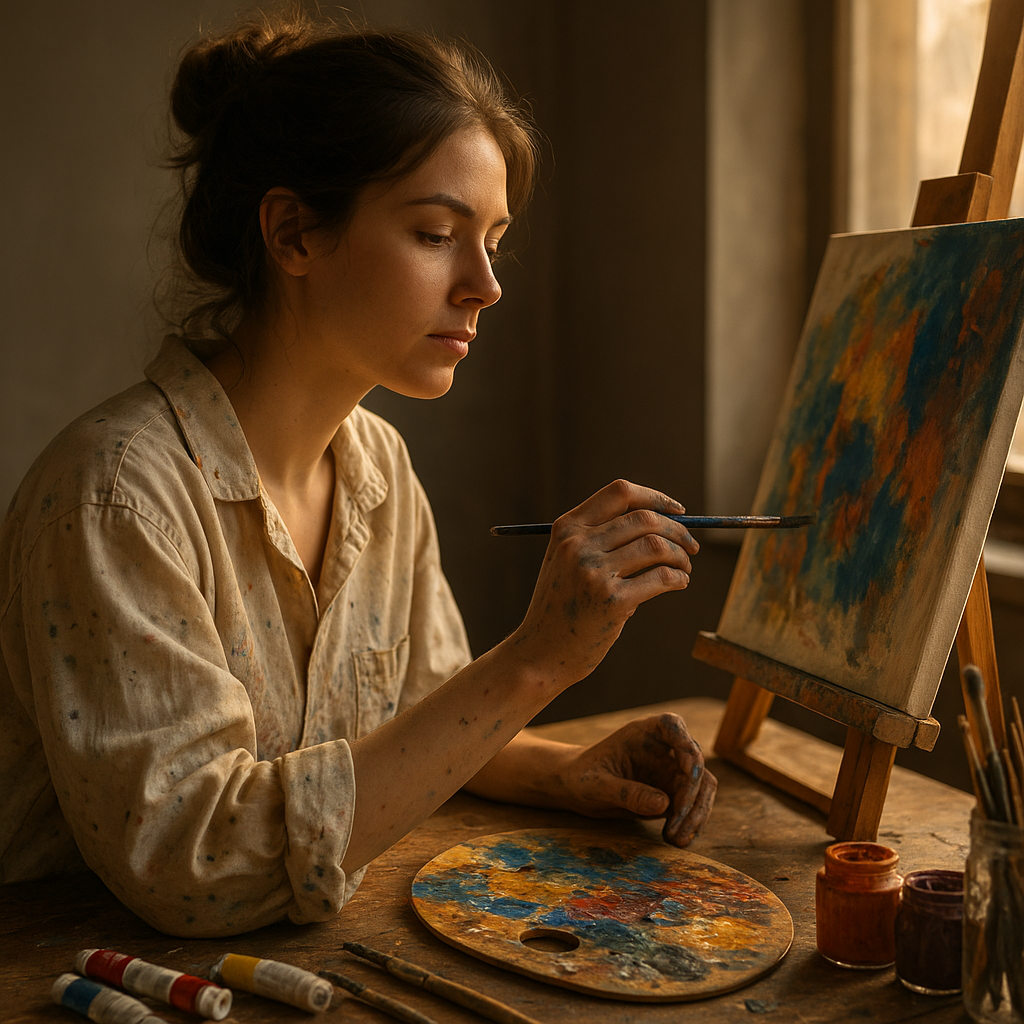
Creative activities also tend to engage the senses — the feel of clay, the smell of fresh bread, the sound of a guitar chord — and sensory engagement is one of the quickest ways to bring yourself back into the present moment. This is closely linked to mindfulness, a practice widely recommended for stress management.
Creativity and Mindfulness: A Natural Pairing
You don’t need to sit in silence with your eyes closed to practice mindfulness. For many people, creative hobbies offer a more accessible entry point. Activities like colouring, embroidery, pottery, and even cooking require you to pay close attention to what you’re doing right now — the colours, the textures, the process. That sustained, present-moment attention is essentially mindfulness in action.
Research from Drexel University found that making art — regardless of skill level — significantly reduced cortisol levels in participants. Notably, the study found that the effect was consistent whether people considered themselves artistic or not. You don’t need to be talented to benefit. You just need to engage.
What Are the Best Creative Hobbies for Stress Relief?
There’s no single “best” creative hobby — the right one is whichever one you’ll actually stick with. That said, certain types of activities tend to come up repeatedly in stress relief research and anecdotal accounts. Here are some worth considering:
- Drawing or painting: Offers a visual outlet for emotions and encourages focused attention. Particularly effective for people who find it difficult to articulate how they’re feeling in words.
- Knitting or crochet: The repetitive, rhythmic nature of these crafts has a meditative quality. Studies have linked them to reduced anxiety and even a decreased heart rate.
- Writing or journalling: Whether it’s fiction, poetry, or simply writing about your day, putting thoughts on paper can help organise and process them. Expressive writing in particular has been linked to improved mental health outcomes.
- Baking or cooking: Combines sensory engagement with the satisfaction of creating something tangible — and edible. The structured nature of following a recipe can also be grounding for anxious minds.
- Playing a musical instrument: Requires concentration, coordination, and emotional expression. Even playing scales can be meditative, and progressing over time provides a meaningful sense of achievement.
- Gardening: While often categorised separately, gardening is deeply creative — designing layouts, choosing plants, nurturing growth. It also gets you outdoors, adding the well-documented mental health benefits of time in nature.
- Pottery or sculpting: Working with your hands in a tactile, three-dimensional medium is particularly grounding. Many people describe pottery as one of the most absorbing and calming hobbies they’ve tried.
Hobbies to Reduce Stress: Three Practical Examples
If you’re looking for somewhere to start, here are three creative hobbies that are relatively easy to pick up and have strong evidence behind them:
1. Colouring: Adult colouring books saw an explosion in popularity partly because they’re so accessible. No skill required, minimal equipment, and the combination of colour, pattern, and focus makes it deeply calming. Keep a colouring book on your desk or bedside table for moments when you need to decompress quickly.
2. Baking bread: There’s something almost primal about making bread. The kneading is physically satisfying, the waiting requires patience, and the result is something genuinely nourishing. It’s also forgiving — even imperfect bread is usually still delicious.
3. Freewriting: Set a timer for ten minutes and write whatever comes into your head without stopping to edit. It sounds simple, but the act of releasing thoughts onto paper without judgement can be profoundly relieving. Many people find it becomes their go-to tool for processing difficult days.
What Is the 3 Hobby Rule?
You may have come across the idea of the “3 hobby rule” — a popular concept that suggests having three distinct types of hobbies for a well-rounded, fulfilling life. The principle suggests having one hobby that earns you money (or develops a marketable skill), one that keeps you fit, and one that makes you creative. The idea isn’t rigid, but it reflects something genuinely useful: that different activities serve different needs.

For stress relief specifically, the creative hobby is arguably the most important of the three. It’s the one most likely to engage that flow state, provide an emotional outlet, and offer the kind of intrinsic satisfaction that recharges rather than depletes you. The 3 hobby rule is simply a helpful framework for making sure you’re not neglecting that side of life.
What Are Seven Effective Stress Management Techniques?
Creative hobbies sit comfortably alongside other well-established stress management approaches. When thinking about how to manage stress holistically, these are seven techniques that consistently appear in evidence-based recommendations:
- Regular physical exercise — even a brisk daily walk has measurable effects on cortisol and mood
- Adequate sleep — stress and sleep deprivation form a vicious cycle; prioritising rest is foundational
- Mindfulness or meditation — training the mind to stay present rather than ruminating on the past or catastrophising about the future
- Social connection — spending time with people you care about is one of the most powerful buffers against stress
- Limiting alcohol and caffeine — both can exacerbate anxiety, even when they feel like they’re helping in the short term
- Talking therapies — cognitive behavioural therapy (CBT) and counselling can provide tools for managing stress at its root
- Creative hobbies — engaging in activities you enjoy for their own sake, without pressure to perform or produce
The beauty of creative hobbies is that they can also enhance some of the other techniques on this list. Baking with a friend combines creativity with social connection. Gardening combines creativity with light exercise and time outdoors. They’re not a standalone solution, but they integrate beautifully into a broader approach to wellbeing.
Making Time for Creative Hobbies When Life Is Busy
One of the most common barriers to creative hobbies is time — or the perceived lack of it. But it’s worth questioning whether that’s really true, or whether it’s partly a mindset issue. Many people who claim they have no time for hobbies spend several hours a day on their phones. Swapping even thirty minutes of scrolling for a creative activity can make a noticeable difference.
It also helps to lower the bar for what counts. You don’t need a dedicated studio or two hours of uninterrupted time to benefit from a creative hobby. Ten minutes of sketching in a lunch break, a few rows of knitting in the evening, or jotting down a few sentences in a journal before bed — these small moments add up. Pairing your hobby time with a consistent daily routine can make it even easier to protect that time for yourself.
The key is to remove as much friction as possible. Keep your materials out and visible rather than packed away. Choose activities that don’t require a lot of setup. Start smaller than you think you need to, and let momentum build naturally. If you’re setting up a dedicated space at home, even small, affordable home updates can make the area feel more inviting and help you actually use it.
In Summary
Creative hobbies aren’t a luxury or an indulgence — they’re a genuine, evidence-backed tool for managing stress and supporting mental wellbeing. They work by shifting mental focus, encouraging flow states, activating the brain’s reward systems, and providing a healthy outlet for emotions. Whether you’re drawn to painting, writing, baking, or simply colouring in a book, the most important thing is to find something you enjoy and give yourself permission to do it regularly.
The research is clear: people who make time for enjoyable, creative activities tend to have lower stress levels, better mood, and higher life satisfaction. In a world that’s always demanding more from you, carving out time to make something — just because you want to — might be one of the most quietly radical acts of self-care available.


